
Introducing Tim Stark

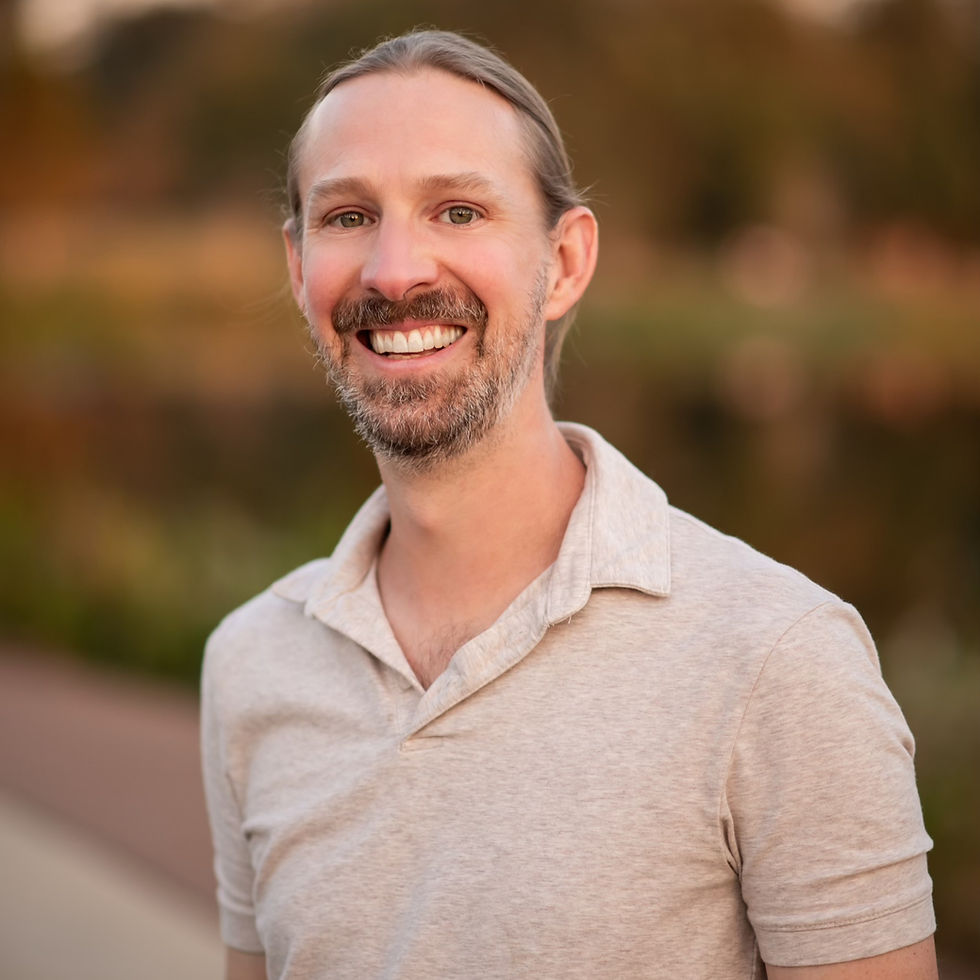
Tim Stark has been a lighting designer, technical director, and production manager based in Lafayette, Louisiana, since 2005. He is a long-time staple at the Heymann Performing Arts Center. In 2024, Tim founded the production and lighting design company, Stark LX Design, LLC. Following the hiker's maxim of "leave it better than you found it,” he freely shares knowledge and help to anyone seeking to learn. He has developed a reputation for being collaborative, adaptable, and approachable on every project.
Tim is well-versed in the latest industry standards for design software. He has a design workflow that includes Vectorworks Spotlight, CuePoints, Lightwright, Excel, and Google Sheets. This allows him to come fully prepared to implement the client's vision using control software from ETC (EOS) and ChamSys. Even though Tim fully supports the options and efficiency of LED lighting and beyond, he enjoys utilizing conventional light sources whenever possible. Besides the warmth that traditional lighting offers, there is a magic that comes from being restricted by older forms of technology.
Best known for dance lighting, Tim enjoys branching out into live concerts, stage plays, and architectural projects. He has had the pleasure of working with many visionaries in the local performance community. Notable projects include "Take Down The Letters” (2018) by Sue Schleifer, "Holy Animals" (2024) by Paige Barnett Kulbeth, "Send On The Clowns” (2025) by Nicole Curtis, "Ten Tiny Dances” (2025) directed by Witney Hebert and various Choreographers, and most recently, "Ti Canaille" (2026) by Gina Aswell. Tim has worked with the University of Louisiana at Lafayette's dance and theater programs in their mission to inspire future performance and technical artists. Invited by ULL professors Marie Broussard and Michael Crotty, he has been given the opportunity to design alongside student and faculty choreographers for both "State of LA Danse” and “Evening of Dance." Recent lighting design and installations include Basin Arts Dance Studio lighting, as well as work done in Opelousas, Louisiana. There, he worked alongside New York native Brian Schneider of Footcandle Lighting to light the courthouse facade, oak trees, and Nativity diorama on the courthouse square.
Who makes up your art circle?
At all times, I am surrounded by choreographers and dancers, directors, writers and actors, set designers and builders, audio engineers and sound designers, fellow lighting designers, photographers and videographers, students and faculty of performing arts programs in the LPSS Magnet Academies, and students and faculty of performing arts programs at ULL. Many of my close friends are musicians and visual artists as well.
How do you expand your art circle?
My art circle seems to expand naturally. Simply by being involved in projects, I am able to meet new performing artists, directors, and technical artists. Also, by attending performances and events that I am not working, it has allowed me to connect deeper with creators that I have worked with. Acadiana has a very supportive and highly connected web of artists. It is very easy to tap into new opportunities just by being present and pleasant.
What value do you see in having a creative community?
I grew up in the Lake Charles area, where my family was very active in the Lake Charles Civic Ballet, directed by Lady Leah Lafargue. She enforced the idea of community building and engagement, and created an environment of learning and exploration in the arts. Lafayette has the same creative environment, but with stronger government, business, and community support. I saw how this support led directly to innovation and beauty. There comes a sense of belonging and connection as creative thought and expression challenge ignorance and the status quo. Nothing stagnates, and everything flows in a community that allows for creativity to thrive.
How does your artistic approach contribute to your community?
I take a methodical approach to every project by creating an organized and comprehensive framework in which to work. I believe that when the fundamental aspects of lighting are automated, full attention can be given to digging in deep to find the parts that make the show unique. Lighting as an art form is reflective of its subject, and its purpose is to highlight the mood, the meaning, and the message behind the work. More than just the intention of setting lighting for visibility, I come prepared with many palettes of light sources, palettes of colors, and a variety of angles. I arrive with ideas of my own, which helps me to anticipate the vision of the artist that I am working with. When I am able to support the artist and give them more time to experiment with their movement in lighting, the more fulfilling the final work is. My goal is to leave the audience with lasting memories of not only what they saw, but also how they felt about it. I hope to always guide a connection between the artist and the audience, and offer reflection on the artist's message.


Comments